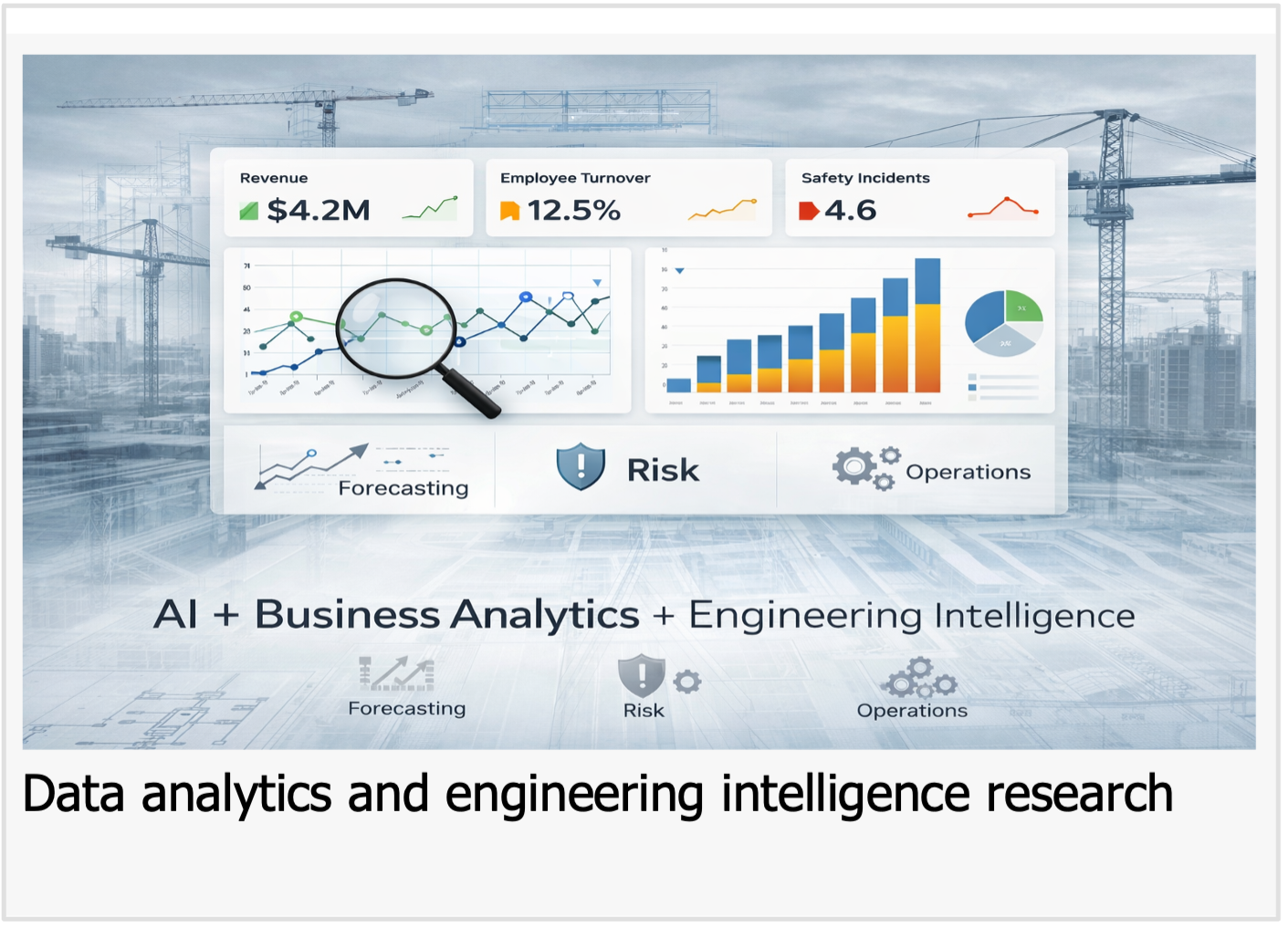
This research initiative highlights practical AI and business analytics for decision support across infrastructure, operations, and market performance.
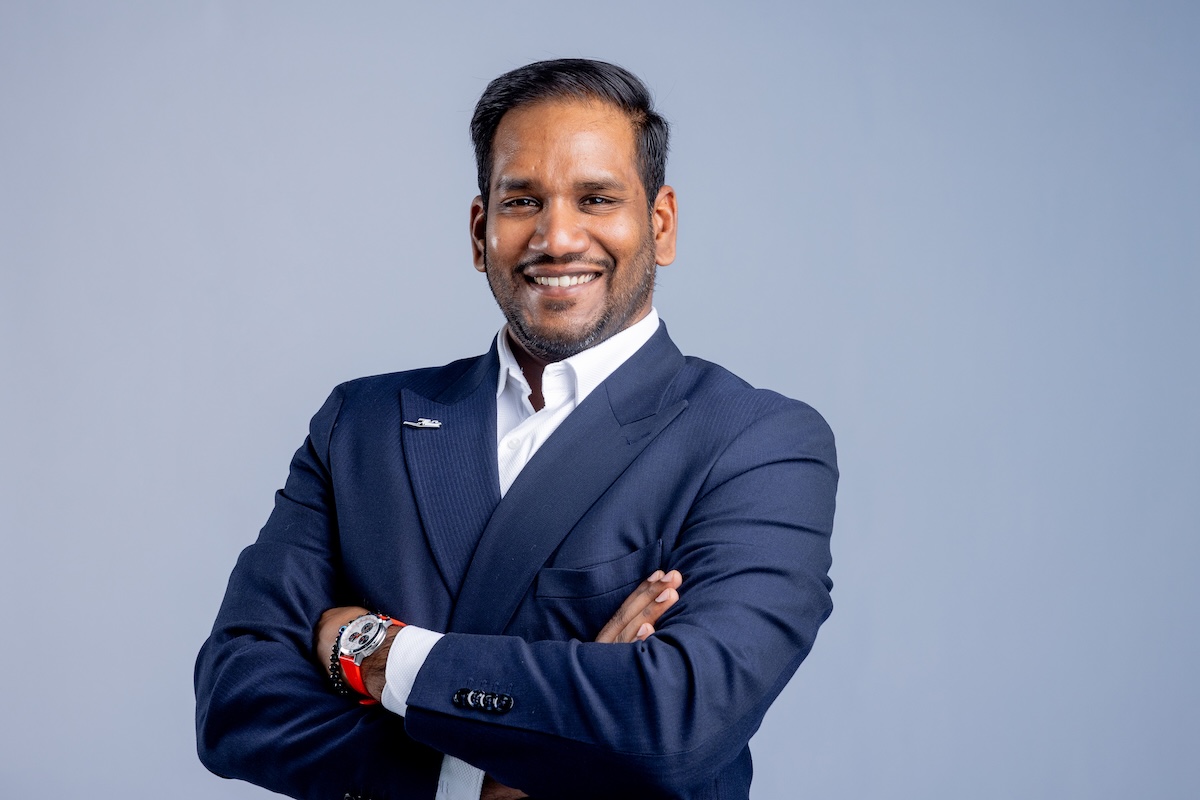
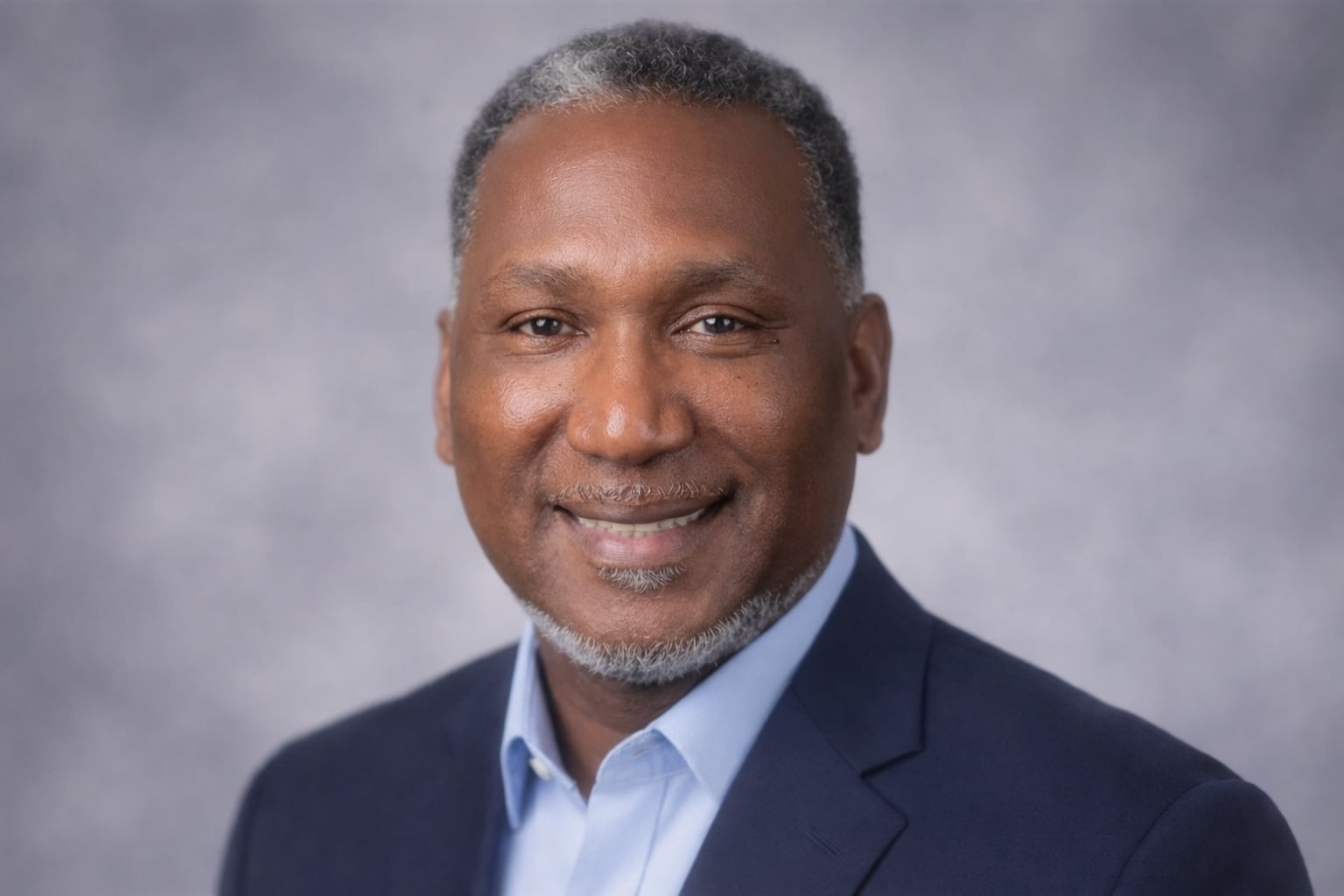
LOS ANGELES, CA, UNITED STATES, March 1, 2026 /EINPresswire.com/ — Mohammad Hossain, a business analyst and researcher based in Los Angeles, is contributing applied research and professional work at the intersection of artificial intelligence (AI), business analytics, and engineering intelligence,
an approach designed to strengthen decision support in domains ranging from infrastructure and construction to finance and market performance analysis.
This research and professional effort emphasizes practical analytics frameworks that convert complex operational data into measurable insights, while supporting the responsible adoption of
AI-enabled forecasting and optimization methods. Hossain’s background combines electrical and electronic engineering with graduate training in business analytics, positioning his work around data reliability, model interpretability, and scalable implementation in organizational settings.
Hossain is a Business Analyst at Mainwins Inc. (Dallas, Texas) in the industrial sector and has duties that include gathering requirements, coordinating stakeholders, functional documentation, technical documentation, as well as the development of dashboards and reporting to facilitate the support of planning and revenue-oriented decision making.
His job also involves process mapping and process improvement programs aimed at mitigating operational risks and enhancing cross-functional teamwork that cuts across engineering, QA and operations. He served as a Junior Business Analyst in the same organization before taking this role by assisting in documentation, reporting, and optimization of workflow.
Previous experience in the engineering leadership role came with the work he had done in Intraco Energy, Dhaka, Bangladesh, where he was appointed as an Assistant Engineer, and Senior Engineer and then became the Project Manager/Team Lead. Throughout these jobs, he organized installation and commissioning, was involved with the coordination of multidisciplinary teams and external vendors, and assisted with quality, compliance and functional testing standards in energy system project delivery. Simultaneously, since 2013, he has worked as Co-Founder and CEO of Par3 Power Solution, which provides technology-driven energy and power solutions to industrial clients.
Beyond industry delivery, Hossain’s scholarly work includes peer-reviewed publications and conference proceedings addressing applied AI and analytics in construction optimization, financial risk modeling, marketing ROI forecasting, employee retention analytics, supply chain intelligence, and related topics. His research includes an AI-driven modeling study focused on optimizing concrete strength for cost-efficient production outcomes in the U.S. construction context, reflecting the use of predictive analytics to reduce experimental overhead and support scalable planning. He has also co-authored research on AI-powered predictive analytics for financial risk management in U.S. markets, highlighting predictive classification approaches for risk-related decision support.
Additional conference research includes analysis and forecasting methods for real-time marketing campaign performance and ROI, using statistical and machine learning approaches to evaluate outcomes and support budgeting decisions. Another line of work examines employee retention analytics in the U.S. technology sector, reflecting the growing role of data-driven workforce intelligence in organizational planning. Complementary publications include applied business intelligence approaches to reduce food waste across agricultural and retail supply chains, and research touching on analytics-driven insights for operational and technology management.
“Bridging engineering discipline with business analytics helps ensure AI systems are not only predictive, but also usable for real operational decisions,” said Mohammad Hossain. “My work focuses on building frameworks that translate data into clear performance indicators and actionable insight across complex environments.”
Hossain has the following professional qualifications: the Entry Certificate of Business Analysis (ECBA) of the International Institute of Business Analysis and the Project Management Professional (PMP) certification of the Project Management Institute. Professional memberships include IEEE, IIBA, and PMI, which shows an interest in engineering and analytics circles.
His more general interest lies in the scalable analytics application, in linking the needs of stakeholders, the measurable KPIs, and model-based forecasting to enable the decision-making process in infrastructure planning, operational delivery, and performance measurement facing the market. This focus is consistent with the growing necessity of ensuring that analytics are operationalized by organizations in ways that allow them to have an explanation, repeatability, and solid data governance practices.
About Mohammad Hossain
Mohammad Hossain is a business analyst and researcher based in Los Angeles who merges AI, business, and engineering intelligence to enable innovation driven by data. His degrees are M.S. in Business Analytics (International American University) and B.S in Electrical and Electronic Engineering. He has had experience in requirements and stakeholder management, KPI design, dashboarding, process improvement, and engineering project delivery, as well as published scholarly work in applied analytics in construction optimization, financial risk modeling, marketing ROI forecasting, and workforce intelligence.
Mohammad Hossain
LeadersUniverse
mhossain.eee@gmail.com
Legal Disclaimer:
EIN Presswire provides this news content “as is” without warranty of any kind. We do not accept any responsibility or liability
for the accuracy, content, images, videos, licenses, completeness, legality, or reliability of the information contained in this
article. If you have any complaints or copyright issues related to this article, kindly contact the author above.